



Chlorella vs. Green Juice
Table of Contents
Understanding the Green Health Trend
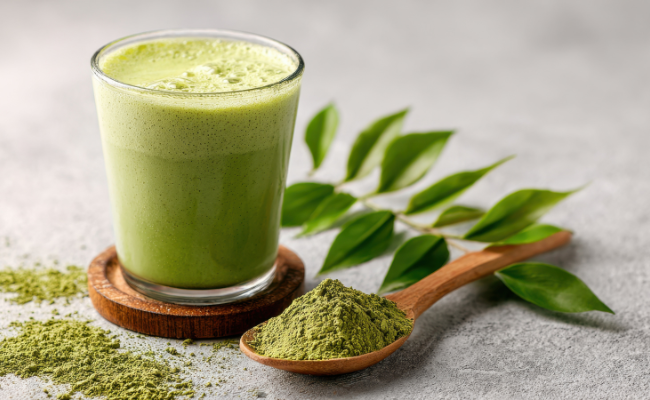
Green health drinks have become incredibly popular among health-conscious consumers. From detoxifying green juices to trendy superfood powders, the idea of drinking your vegetables has transformed from a niche practice into a mainstream lifestyle. Many people begin their health journeys by swapping sugary beverages for something “green” in hopes of gaining better energy, clearer skin, and improved digestion.
Among these options, two stand out are fresh green juices and chlorella supplements. Both are associated with boosting overall wellness, detoxifying the body, and increasing nutrient intake. But despite their green colour and health halo, these two options are not created equal. Their nutrient profiles, effects on the body, and long-term benefits vary more than most realize.
Green juices are often made from a mix of vegetables like kale, cucumber, celery, and sometimes fruit for flavour. While they’re a better alternative to soda or processed drinks, they often lack fiber and can have a high sugar content, especially when fruit is added. On the other hand, chlorella is a single-celled green algae that is naturally rich in protein, vitamins, minerals, and chlorophyll.
Understanding which of these options delivers more whole-body benefits requires a deeper dive into what your body truly needs and how each green product supports those needs differently.
Nutrient Density: Quality Over Quantity
Green juices do offer vitamins and hydration, but their nutritional density is often compromised during the juicing process. The pulp and fiber are removed, and in doing so, many micronutrients bound to the plant structure are lost. Unless consumed immediately after juicing, oxidation further breaks down the nutrients, making green juices a fragile source of nutrition.
Chlorella, on the other hand, is remarkably nutrient-dense in its whole-food form. It contains all nine essential amino acids, which makes it a complete protein which a rare find in plant sources. It’s also naturally packed with iron, vitamin B12, magnesium, potassium, and vitamin A. More importantly, chlorella retains its nutritional profile because it’s processed at low temperatures and not exposed to oxidation like juices.
What truly sets chlorella apart is its chlorophyll content. This green pigment is known for its ability to support detoxification, boost energy, and help maintain alkaline balance in the body. While green juices may contain chlorophyll, the amounts vary depending on the vegetables used, and the potency can be reduced through light and air exposure.
For those seeking a consistent, potent source of micronutrients that doesn’t degrade quickly, chlorella offers a far more stable and efficient way to nourish the body.
Detoxification: A Deeper Cleanse with Chlorella

Detox is often the buzzword associated with both green juices and chlorella. But how they support detoxification is quite different. Juices primarily offer hydration and light liver support, which can be helpful for short-term refreshment. However, their lack of fiber and limited nutrient range can make their detox support superficial.
Chlorella, however, is known for its natural ability to bind to heavy metals and toxins in the body. Its cell wall structure has chelating properties, meaning it can attract and trap harmful substances, allowing them to be safely eliminated through natural bodily processes. This is why chlorella has been studied for its detox potential, especially in environments where pollution or heavy metal exposure is high.
Additionally, chlorella supports the liver a key organ in detox and by providing essential nutrients like B vitamins and iron that assist in enzymatic detox pathways. With continued use, it helps maintain a cleaner internal environment, supporting not just short-term cleansing but long-term toxin defence.
Rather than providing a temporary cleanse, chlorella works systematically to enhance the body’s natural detox mechanisms over time.
Fiber, Satiety, and Digestion
One major drawback of green juices is their lack of fiber. While they may provide quick hydration, they don’t help regulate digestion or support satiety. In fact, some people experience sugar spikes from green juices, especially if there’s fruit in the blend. This can lead to energy crashes and even digestive discomfort if consumed on an empty stomach.
Chlorella naturally contains a form of dietary fiber that supports digestion and regular bowel movements. This fiber also acts as a prebiotic, feeding the beneficial bacteria in your gut and helping to maintain microbiome balance. A healthy gut is essential for everything from nutrient absorption to immune response and mood regulation.
By promoting digestive regularity, chlorella can help reduce bloating, support weight management, and improve the overall efficiency of your digestive system. This makes it a valuable addition for those looking to go beyond hydration and truly enhance their gut health.
So, while green juice may provide a refreshing boost, it lacks the digestive support that chlorella consistently offers.
Sustainability and Convenience
Fresh green juice often requires significant preparation: buying, washing, cutting, and juicing vegetables daily. It can also be costly over time and leads to high food waste due to the discarded pulp. For those with busy lifestyles, maintaining this habit becomes difficult, making it harder to stay consistent with daily nutrient intake.
Chlorella, particularly in powdered or tablet form, offers a highly convenient alternative. It doesn’t require refrigeration, has a long shelf life, and can be taken anytime whether mixed with water, smoothies, or even incorporated into food. This ease of use makes it easier to stay consistent, which is essential when building healthy habits.
From a sustainability perspective, chlorella is grown in controlled environments with a smaller ecological footprint compared to large-scale vegetable farming. It requires less water and land, and its production doesn’t contribute to as much agricultural waste, making it a more eco-conscious choice.
For consumers who care about both their health and the planet, chlorella provides a cleaner, more sustainable option that fits effortlessly into modern routines.
Which Green Should You Choose?
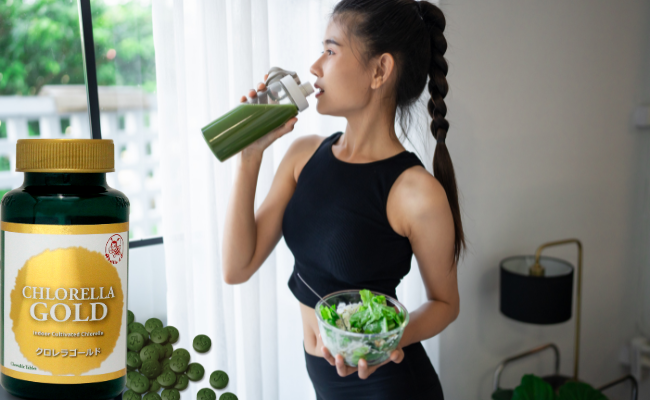
Both green juice and chlorella have their place, especially for those taking their first steps toward better health. However, when considering whole-body benefits, nutrient density, detox support, digestive aid, and long-term sustainability which chlorella clearly stands out. It provides a more comprehensive, science-backed solution for individuals looking for more than just a temporary health fix.
If you’ve been relying solely on green juice to support your wellness, it might be time to upgrade your routine. Chlorella offers a more complete and convenient way to nourish, detox, and energize your body every day.
Try Chlorella Gold by Abeille d’Or and discover the green that gives you more from the inside out.