



The Influence of Food on Mental Health: Nutrition and Mood
Table of Contents
Understanding the Mind-Gut Connection
The Intricate Relationship Between Diet and Mental Well-being
Exploring the Impact of Nutrient Deficiencies on Mood Disorders
The Role of Gut Microbiome in Mental Health
The Gut-Brain Axis: A Bidirectional Communication Highway
The Potential of Abeille D’or Chlorella Gold Tablets in Supporting Mental Health
Nutrition plays a crucial role in mental health, affecting everything from mood regulation to cognitive function. Research has increasingly shown that a well-balanced diet not only supports physical health but also fosters a healthy mind. One of the most exciting discoveries in recent years is the mind-gut connection—a relationship that suggests the food we eat directly impacts our mental well-being. In this article, we’ll explore how nutrition affects mental health, the impact of nutrient deficiencies, and the growing importance of certain superfoods in supporting mental health, such as Abeille D’or Chlorella Gold Tablets.
Understanding the Mind-Gut Connection
The mind-gut connection refers to the relationship between our digestive system and brain. It’s a bidirectional communication system known as the gut-brain axis. Our gut is home to trillions of bacteria that influence not only digestion but also our mood, stress levels, and even cognitive function. When the gut is in balance, it supports a healthy brain. However, when disrupted, it can contribute to mental health conditions like anxiety, depression, and even cognitive decline.
Recent studies have shown that the gut microbiome—home to a wide variety of microorganisms—plays a key role in modulating mood and behavior. This is why many mental health conditions are now being linked to an imbalance in gut bacteria, often referred to as dysbiosis.
The Intricate Relationship Between Diet and Mental Well-being
What we eat profoundly impacts the health of our gut microbiome. A diet high in processed foods, sugar, and unhealthy fats can disrupt the balance of gut bacteria, which, in turn, may negatively affect mood and cognitive function. On the other hand, a nutrient-dense diet, rich in vitamins, minerals, and antioxidants, can help restore gut health and enhance mental well-being.
Nutrient-Dense Foods for Mental Health
Some nutrients are especially beneficial for mental health:
- Omega-3 fatty acids found in fatty fish, flaxseeds, and walnuts have been shown to reduce symptoms of depression and anxiety.
- B vitamins such as folate, B6, and B12 are crucial for the production of neurotransmitters like serotonin, which regulate mood and cognition.
- Magnesium has a calming effect on the nervous system and is essential for stress management.
- Zinc plays a vital role in brain function, and deficiency is linked to conditions like depression and anxiety.
By consuming a varied diet rich in these nutrients, we can support the health of both the gut and the brain.
Exploring the Impact of Nutrient Deficiencies on Mood Disorders

When we don’t get enough essential nutrients from our diet, it can have serious consequences for our mental health. Nutrient deficiencies can contribute to a wide range of mood disorders, from general irritability to anxiety and depression. Let’s explore some key nutrients whose lack may directly affect mental well-being:
1. Vitamin D Deficiency
Low levels of vitamin D are strongly linked to depression and other mood disorders. Since vitamin D is produced by the skin in response to sunlight, those who live in areas with limited sun exposure or who spend most of their time indoors may be at risk of deficiency.
2. B Vitamin Deficiency
B vitamins are crucial for maintaining healthy neurotransmitter function. A lack of B12, folate, or B6 can lead to feelings of fatigue, anxiety, and depression. Since B vitamins are found in animal products, individuals following a plant-based diet may need to supplement their intake to avoid deficiencies.
3. Magnesium Deficiency
Magnesium is often referred to as the “anti-stress” mineral because of its role in regulating the nervous system. Insufficient magnesium levels can contribute to anxiety, irritability, and sleep disturbances.
4. Iron Deficiency
Iron deficiency can result in fatigue, mood swings, and cognitive difficulties. It’s particularly common in individuals with restricted diets, such as those avoiding meat.
Ensuring that your diet includes these essential nutrients can prevent the onset of mood disorders and promote overall mental well-being.
The Role of Gut Microbiome in Mental Health
The gut microbiome, consisting of trillions of bacteria, fungi, and other microorganisms, is now recognized as a major player in our mental health. The composition of the microbiome can affect everything from mood to brain function. A balanced microbiome promotes healthy communication between the gut and brain, while an imbalanced microbiome can lead to a wide range of mental health issues.
The gut-brain axis connects the gut and the brain through a complex system of signaling pathways, including the vagus nerve and various chemical signals. Researchers have discovered that an imbalance in gut bacteria can trigger inflammation, stress responses, and alter neurotransmitter production—ultimately affecting mood and cognition.
How Diet Affects the Microbiome

A diet high in fiber, fruits, vegetables, and fermented foods promotes the growth of beneficial bacteria in the gut, enhancing mood and cognitive function. On the other hand, diets rich in processed foods and sugar can lead to the growth of harmful bacteria, which can cause inflammation and negatively affect brain function.
The Gut-Brain Axis: A Bidirectional Communication Highway
The gut-brain axis is the bidirectional communication system that links the brain and the gut. It allows for the exchange of information between the two, impacting everything from mood to behavior and cognitive performance.
Studies have shown that the state of our gut microbiome influences brain health, and vice versa. An imbalance in the gut microbiome can contribute to stress, anxiety, and depression. Additionally, the brain can affect the gut by releasing signals that alter gut motility, digestive processes, and even the composition of the gut microbiome.
How to Support the Gut-Brain Axis
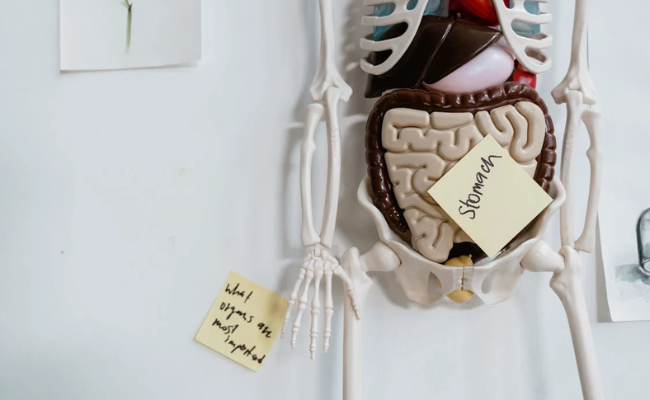
Maintaining a healthy gut-brain axis involves eating a nutrient-rich diet, staying hydrated, managing stress, and getting enough sleep. It may also involve supplementation with products that promote gut health, such as Abeille D’or Chlorella Gold Tablets, which provide essential nutrients to support gut health and mental well-being.
The Potential of Abeille D’or Chlorella Gold Tablets in Supporting Mental Health
One of the most promising superfoods for supporting both gut health and mental well-being is Abeille D’or Chlorella Gold Tablets. Chlorella is a nutrient-dense algae that is packed with vitamins, minerals, antioxidants, and chlorophyll, making it an excellent supplement for boosting overall health.
1. Rich in Essential Nutrients
Abeille D’or Chlorella Gold Tablets are a rich source of nutrients, including vitamins B12, iron, magnesium, and zinc—all of which are crucial for brain function and mental well-being. By supplementing with chlorella, you can fill nutrient gaps in your diet, supporting both your gut and mental health.
2. Supports Detoxification
Chlorella is known for its detoxifying properties. It helps bind to toxins, including heavy metals, and aids in their elimination from the body. Since toxins can negatively affect brain function and mood, using Abeille D’or Chlorella Gold Tablets may help improve mental clarity and overall cognitive function.
3. Improves Immune Function
A healthy immune system is essential for maintaining a balanced mood and good mental health. Chlorella is known to enhance immune function, promoting the production of immune cells and supporting the body’s defense against pathogens. By incorporating Abeille D’or Chlorella Gold Tablets into your daily routine, you can support both your immune system and mental health.
4. Supports Gut Health
The chlorophyll in chlorella promotes a healthy digestive system, supporting regular bowel movements and detoxification. A healthy gut is essential for maintaining a balanced mood and preventing mental health issues. Abeille D’or Chlorella Gold Tablets can enhance your gut health, contributing to a positive impact on the gut-brain axis.
The connection between nutrition and mental health is undeniable. By ensuring that you get the necessary nutrients to support a healthy gut and brain, you can significantly improve your mental well-being. Supplementing with products like Abeille D’or Chlorella Gold Tablets can provide essential nutrients that promote gut health, detoxification, and cognitive function. If you’re looking to support your mental health and overall well-being, consider adding Abeille D’or Chlorella Gold Tablets to your daily routine. Explore the full benefits today and prioritize your mental wellness!