



Calcium Rich Foods Beyond Dairy: Why Kale Deserves More Attention
Table of Contents

Introduction
When people think about calcium, milk is often the first food that comes to mind. For decades, dairy products have been promoted as the primary source of calcium, leading many consumers to associate strong bones and healthy aging almost exclusively with milk, cheese, and yogurt. While dairy certainly provides calcium, it is far from the only option available.
As dietary preferences continue to evolve, more people are exploring a wider variety of calcium rich foods. Some are reducing dairy consumption due to personal preferences, dietary choices, or changing lifestyles. Others simply want to diversify their nutrient sources and create a more balanced approach to nutrition. This growing interest has encouraged greater awareness of plant based foods that naturally contain calcium.
Among these foods, kale has quietly earned a reputation as one of the most nutrient dense leafy greens available. While it is often celebrated for its vitamins and antioxidants, its calcium content is sometimes overlooked. Yet kale has become increasingly popular among health conscious individuals looking to incorporate more nutrient rich foods into their daily routine.
Understanding the role of calcium rich foods beyond dairy can help people make more informed choices about their nutrition and appreciate why kale continues to attract attention in modern wellness discussions.
Why Calcium Matters at Every Stage of Life
Calcium is one of the most abundant minerals in the human body and plays a role in many important biological processes. While it is commonly associated with bone health, calcium also contributes to normal muscle function, nerve signaling, and various other physiological activities that occur every day.
Many people begin thinking about calcium only as they get older, but maintaining adequate calcium intake is important throughout life. Building healthy habits early can help support long term wellbeing and encourage greater awareness of nutritional needs as lifestyles and priorities change over time.
The conversation around calcium has also evolved. Rather than focusing solely on individual nutrients, nutrition experts increasingly encourage people to consider overall dietary patterns. Calcium works alongside other nutrients as part of a balanced eating plan, making food quality and variety important considerations.
This broader perspective has encouraged consumers to look beyond traditional assumptions and explore a wider range of calcium rich foods that contribute to a healthy lifestyle.
Looking Beyond the Dairy Aisle
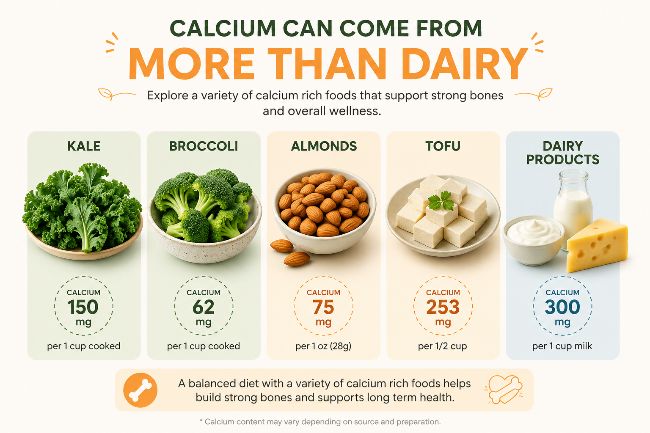
Dairy products remain a familiar source of calcium, but they are not the only foods that contribute to calcium intake. In recent years, growing interest in plant based nutrition has highlighted the diversity of foods that naturally contain this important mineral.
Leafy green vegetables, legumes, nuts, seeds, and certain fortified foods all contribute to a varied and balanced approach to nutrition. This diversity provides greater flexibility for individuals who wish to reduce their dependence on a single food category while still maintaining nutritional awareness.
The growing popularity of plant focused eating patterns has also encouraged consumers to learn more about the nutritional value of vegetables. Rather than viewing vegetables simply as side dishes, many people now recognize them as important contributors to overall wellness and nutritional quality.
This shift has helped elevate the profile of nutrient dense greens like kale, which offer a combination of vitamins, minerals, fiber, and plant compounds within a single food.
Why Kale Continues to Stand Out
Among leafy greens, kale has become one of the most recognizable and widely discussed options in the wellness world. Its popularity has grown steadily over the past decade as consumers have become more interested in nutrient dense foods and simple ways to improve their daily nutrition.
One reason kale attracts attention is its impressive nutritional profile. It provides a variety of nutrients while remaining versatile and easy to incorporate into different eating patterns. Whether added to salads, smoothies, soups, or other dishes, kale can complement a wide range of meals.
Another reason for kale’s popularity is its association with balanced, whole food nutrition. Unlike highly processed products that often focus on isolated nutrients, kale represents a broader approach to wellness that emphasizes food quality and nutritional diversity.
This combination of versatility, accessibility, and nutritional value has helped establish kale as a staple ingredient in many health conscious households.
The Growing Interest in Plant Based Nutrition
Plant based nutrition has become one of the most significant trends in modern wellness. Importantly, this movement is not limited to individuals who follow vegetarian or vegan diets. Many consumers simply want to incorporate more plant foods into their routine as part of a balanced lifestyle.
This shift has encouraged greater appreciation for vegetables that offer multiple nutritional benefits. Consumers are increasingly looking for foods that contribute more than a single nutrient and support broader wellness goals. Kale fits naturally into this trend because it is often viewed as a nutrient dense addition to a healthy eating pattern.
The popularity of plant based nutrition has also encouraged people to rethink traditional assumptions about where nutrients come from. Rather than relying on one primary source, many individuals are embracing a more diverse and flexible approach to nutrition.
This mindset supports a broader understanding of healthy eating and encourages exploration of foods that may have been overlooked in the past.
Making Nutrient Dense Choices Easier
One of the biggest challenges facing modern consumers is not a lack of nutritional knowledge. Most people already understand the importance of eating more vegetables and making balanced food choices. The real challenge is consistency.
Busy schedules, travel, work commitments, and family responsibilities often make healthy eating more difficult than people would like. Even individuals with the best intentions can struggle to prepare nutrient rich meals every day. This is why convenience plays such an important role in long term habit formation.
Successful nutrition habits are often built around simplicity. The easier a healthy choice becomes, the more likely it is to be repeated consistently. Rather than striving for perfection, many people find greater success by creating practical routines that fit naturally into their everyday lives.
This principle applies to vegetables just as much as any other aspect of nutrition. Making nutrient dense foods more accessible often helps support healthier habits over time.
Nutrition Is About Patterns, Not Individual Foods
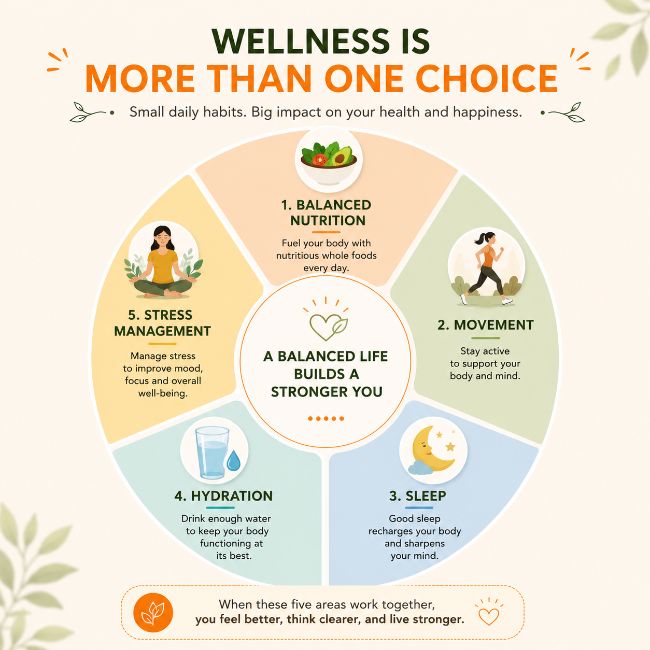
One of the most valuable lessons in modern nutrition is that health is rarely determined by a single food. No individual ingredient, vegetable, or meal is responsible for overall wellbeing. Instead, health is shaped by patterns of behaviour that develop over months and years.
This perspective helps reduce unnecessary pressure around food choices. Rather than worrying about whether one food is perfect, people can focus on creating balanced eating habits that support long term wellness. A variety of nutrient rich foods working together often provides greater benefits than relying too heavily on any one source.
Kale fits naturally into this philosophy. It is not important because it replaces other foods, but because it contributes to a broader pattern of nutritious eating. When incorporated regularly alongside other wholesome foods, it becomes part of a sustainable approach to wellness.
Focusing on patterns rather than perfection encourages healthier relationships with food and helps individuals make choices that are realistic, enjoyable, and sustainable.
Why Kale Deserves More Attention
The growing interest in nutrient dense foods has created opportunities to look beyond traditional nutrition narratives. While dairy remains a familiar source of calcium, it is not the only option available. Exploring a wider variety of calcium rich foods encourages dietary diversity and supports a more balanced approach to nutrition.
Kale deserves attention not because it is trendy, but because it represents many of the qualities consumers increasingly value. It is versatile, nutrient rich, widely available, and easy to incorporate into different eating patterns. These characteristics have helped it remain relevant long after many food trends have faded.
Perhaps most importantly, kale reflects a larger shift in how people think about health. Consumers are becoming more interested in food quality, nutrient density, and sustainable habits rather than focusing exclusively on individual nutrients. This broader perspective allows people to make more informed and flexible nutritional choices.
As awareness continues to grow, kale is likely to remain an important part of conversations about modern wellness and balanced nutrition.
Conclusion
Calcium is an important nutrient, but the conversation surrounding it is becoming more diverse and nuanced. Rather than focusing solely on dairy products, many consumers are exploring a wider range of calcium rich foods that contribute to balanced nutrition and long term wellbeing.
Kale stands out as one of the many nutrient dense foods that support this shift in perspective. Its versatility, nutritional value, and role within plant based eating patterns have helped it earn a place in modern wellness conversations. As more people embrace variety and flexibility in their diets, kale continues to demonstrate why it deserves greater attention.
A Convenient Way to Enjoy More Kale
For those looking to make nutrient dense greens part of their routine, Green Kale by Abeille d’Or offers a convenient option that fits into busy lifestyles. With four servings of kale in every sachet, it makes it easier to enjoy the goodness of kale as part of a balanced approach to wellness.