



Healthy Eating Doesn’t Have to Be Complicated
Table of Contents
Introduction
Healthy eating has never been more popular, yet it has also never seemed more complicated. Every day, we are exposed to new diets, nutrition advice, recipe trends, and social media influencers sharing different opinions about what we should or should not eat. One expert recommends cutting out carbohydrates, while another encourages eating more whole grains. Some promote intermittent fasting, while others emphasise frequent meals. With so much information available, it is no surprise that many people feel overwhelmed.
The abundance of nutrition advice is not necessarily a bad thing. Greater awareness about food has encouraged many people to think more carefully about what they eat and how it affects their wellbeing. However, when information becomes excessive or contradictory, it can make healthy eating feel far more difficult than it needs to be.
Many people begin with good intentions but quickly become discouraged by the number of rules they believe they need to follow. They worry about eating the “perfect” breakfast, counting every calorie, avoiding certain ingredients, or preparing elaborate meals that simply do not fit into their daily schedules. Eventually, healthy eating starts to feel like an all or nothing commitment rather than a sustainable lifestyle.
The truth is that good nutrition has never been about perfection. Healthy eating is not built on one ideal meal or one perfect day. It is shaped by consistent choices that fit naturally into everyday life. Sometimes, the healthiest approach is also the simplest.
Too Much Advice Creates Confusion
The internet has made nutrition information more accessible than ever before. Within seconds, anyone can search for healthy recipes, meal plans, or dietary advice. While this accessibility has many benefits, it has also created an environment where conflicting opinions compete for attention.
One article may encourage eating more protein, while another warns against consuming too much. Social media often amplifies these conflicting messages, with creators sharing personal experiences that may not apply to everyone. As trends change, yesterday’s superfood is replaced by today’s miracle ingredient, leaving people unsure about what advice to trust.
This constant stream of information can lead to decision fatigue. Instead of feeling empowered to make healthier choices, many individuals become hesitant because they worry about making the “wrong” decision. The result is often confusion rather than confidence.
Healthy eating should not require a degree in nutrition to understand. While learning about food is valuable, it is equally important to recognise that simple, balanced habits remain the foundation of a healthy lifestyle regardless of changing trends.
Healthy Eating Was Never Meant to Be Perfect
One of the biggest misconceptions about nutrition is the belief that every meal needs to be perfectly balanced. People often judge themselves based on individual food choices rather than looking at their overall eating patterns.
In reality, no single meal determines long term health. Enjoying dessert at a celebration or choosing takeaway after a particularly busy day does not erase weeks of balanced eating. Likewise, one healthy meal does not instantly transform overall wellbeing. Nutrition is shaped by patterns that develop over time rather than isolated moments.
Perfection can also create unnecessary pressure. When people believe they have failed after one less healthy choice, they are more likely to abandon their efforts altogether. This all or nothing mindset can make healthy eating feel stressful instead of enjoyable.
A more realistic approach is to focus on consistency. Making balanced choices most of the time allows room for flexibility while supporting long term wellbeing. Healthy eating becomes far more sustainable when people stop expecting perfection from themselves.
Simplicity Is Easier to Sustain
Complicated meal plans may look impressive, but they are not always practical. Preparing elaborate breakfasts every morning or cooking different meals every evening may work temporarily, but many people struggle to maintain these routines alongside work, family, and other responsibilities.
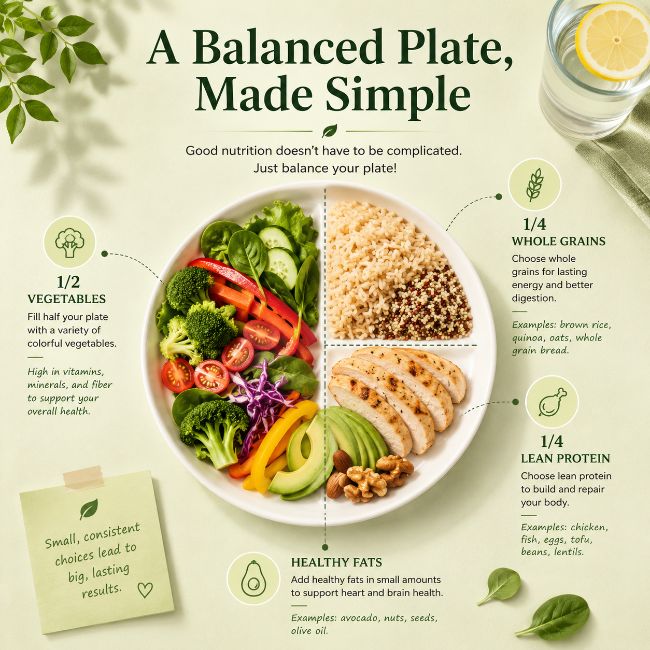
Simple meals often provide exactly what busy lifestyles need. A bowl of oatmeal topped with fruit, a sandwich filled with lean protein and vegetables, or a quick stir fry prepared with familiar ingredients can all contribute to balanced nutrition without requiring hours in the kitchen.
The same principle applies to snacks. Fresh fruit, yoghurt, nuts, or wholegrain crackers are easy options that require little preparation. These everyday choices may not appear exciting on social media, but they are realistic enough to become lasting habits.
Simplicity also reduces decision making. When meals are straightforward and familiar, people spend less time worrying about food and more time enjoying it. Healthy eating becomes part of daily life rather than another complicated project to manage.
Why Convenience Is Not the Enemy
Convenience often receives unfair criticism in discussions about healthy eating. Many people automatically associate convenient foods with poor nutrition, but convenience itself is not the problem. The quality of the choices we make is what matters most.
Modern lifestyles are busy, and expecting every meal to be prepared entirely from scratch is unrealistic for many individuals. Fortunately, there are countless convenient options that can support healthy eating. Frozen vegetables, pre washed salads, canned beans, fresh fruit, yoghurt, wholegrain wraps, and simple homemade meals can all make nutritious eating more accessible.
Convenience can actually make healthy habits easier to maintain. Keeping nutritious foods readily available reduces the temptation to rely solely on highly processed alternatives when time is limited. The easier healthy choices become, the more likely people are to make them consistently.
Rather than avoiding convenience altogether, it is more helpful to choose convenient foods that align with a balanced lifestyle. Practical nutrition is often more sustainable than idealised perfection.
Stop Chasing the Perfect Diet
Every year seems to introduce another eating trend promising remarkable results. From restrictive diets to specialised eating plans, many approaches claim to offer the ultimate solution to better health. While some people benefit from structured dietary approaches, constantly changing diets can become exhausting.
Moving from one eating plan to another often creates unnecessary disruption. Instead of developing lasting habits, individuals repeatedly restart their routines whenever a new trend appears. This cycle can make healthy eating feel temporary rather than sustainable.
The healthiest eating pattern is rarely the one with the most rules. It is usually the one that encourages variety, balance, and consistency while fitting comfortably into everyday life. A routine that can be maintained for years is often far more valuable than one that lasts only a few weeks.
Rather than searching for the perfect diet, it may be more beneficial to build a way of eating that feels enjoyable, flexible, and realistic. Sustainable habits almost always outperform temporary enthusiasm.
Healthy Choices Should Fit Your Life
One reason many nutrition plans fail is that they are designed for ideal circumstances rather than real life. They assume unlimited time for cooking, regular schedules, and perfect motivation. Most people know that daily life is rarely so predictable.
Healthy eating should adapt to changing routines instead of collapsing whenever life becomes busy. During demanding weeks, simpler meals may replace elaborate recipes. During holidays, eating out may become more frequent. During stressful periods, convenience may play a larger role than usual. None of these situations mean healthy eating has failed.
The best nutrition plan is one that continues working through busy mornings, late meetings, family commitments, and unexpected changes. Flexibility makes healthy habits stronger because they are able to survive life’s inevitable challenges.
When healthy choices fit naturally into everyday routines, they become less dependent on motivation and more reliant on habit. This is what makes long term healthy eating achievable for most people.

The Easier It Is, The More Likely You Will Keep Doing It
Behavioural science consistently shows that habits are easier to maintain when they require less effort. When healthy choices are convenient, accessible, and familiar, people are more likely to repeat them without needing constant motivation.
This principle applies to nutrition in many simple ways. Keeping fruit on the kitchen counter encourages healthier snacking. Preparing ingredients ahead of time makes balanced meals easier to assemble. Choosing recipes with familiar ingredients reduces unnecessary complexity. Small adjustments like these create an environment where healthy eating becomes the easier option.
Importantly, sustainable nutrition is not about eliminating every indulgence or following rigid rules. It is about making balanced choices feel normal rather than exceptional. When healthy eating becomes part of everyday life, consistency naturally follows.
Ultimately, the goal is not to impress others with complicated meal plans or perfect diets. It is to build habits that continue supporting your wellbeing year after year because they are simple enough to maintain.
Conclusion
Healthy eating does not have to be defined by complicated rules, restrictive diets, or endless nutrition trends. While there is no shortage of advice available, lasting wellbeing is often built on simple habits that are realistic enough to maintain throughout everyday life.
By focusing on balanced meals, practical choices, and consistency rather than perfection, healthy eating becomes far less overwhelming and much more sustainable. Small decisions repeated over time often have a greater impact than dramatic changes that are difficult to maintain.
Instead of searching for the perfect way to eat, consider building a routine that works with your lifestyle. The simplest habits are often the ones that last the longest.
Supporting Simple Nutrition
For those looking for an easy way to include more greens in a balanced diet, Green Kale by Abeille d’Or provides the equivalent of four servings of kale per sachet, making it a convenient addition to a healthy lifestyle when fresh vegetables are not always readily available.