


Is Festive Eating Really Unhealthy? What Matters More Than One Celebration
Table of Contents
Introduction
1. Why Our Nutritional Needs Change Even When Our Diet Stays the Same
2. Traditional Festive Foods Are More Nutritionally Complex Than We Think
3. Portion Awareness Matters More Than Labelling Foods as Good or Bad
4. Why Food Guilt Can Make Healthy Eating More Complicated
5. The Nutrients That Still Matter During Celebration Season
6. How to Enjoy Open Houses Without Losing Your Sense of Balance
7. What Really Happens After a Day of Festive Indulgence?
Conclusion
Introduction
The familiar aroma of freshly prepared murukku, colourful trays of traditional sweets and a dining table filled with home-cooked favourites are among the pleasures that make Malaysian celebrations memorable. During Deepavali, families gather to enjoy dishes that carry generations of tradition, from fragrant curries and rice preparations to laddu and other festive treats. Yet somewhere between the second helping and the final piece of dessert, a familiar thought often appears: Have I eaten too much, and is all this festive food bad for my health?
This concern is understandable. We live in a time when nutrition advice is everywhere, and foods are frequently divided into categories such as healthy, unhealthy, clean or indulgent. A sweet dessert may be labelled something to avoid, while a rich family meal becomes associated with guilt. But nutrition is considerably more complex than judging individual dishes. Our bodies respond to patterns of nourishment over time, not simply to whether we enjoyed a particular celebration.
In Malaysia, where food is deeply connected to culture, hospitality and family relationships, this distinction is especially meaningful. Whether it is Deepavali, Hari Raya, Chinese New Year, Christmas or a family wedding, sharing food represents much more than satisfying hunger. It expresses generosity, belonging and cultural identity. Understanding healthy festive eating should therefore involve both nutritional awareness and respect for the important role that traditional meals play in our lives.
So, is festive eating really unhealthy, or have we become too focused on individual moments of indulgence? The answer lies in understanding dietary patterns, portion sizes, nutrient balance and the relationship between food and wellbeing. Rather than approaching celebrations with strict rules or unnecessary anxiety, we can learn how to enjoy meaningful food experiences while supporting our health throughout the year.
1. Why Our Nutritional Needs Change Even When Our Diet Stays the Same
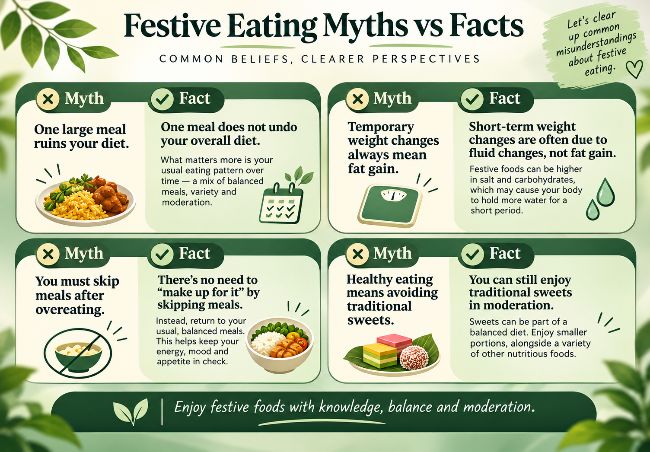
Nutrition is often discussed as though every meal must independently meet an ideal standard. In reality, the nutritional quality of our diet is better understood by examining what we eat consistently across days, weeks and months. A single celebration meal may contain more sugar, salt or saturated fat than our usual lunch, but it does not automatically determine our long-term health. The broader dietary pattern matters much more than any isolated occasion.
Consider someone who generally eats balanced meals containing vegetables, fruits, protein sources and whole grains. During Deepavali, that person enjoys several traditional dishes and desserts with family members. Although the celebration may temporarily change their usual food intake, those choices exist within a much larger nutritional picture. One occasion does not erase the value of an otherwise nourishing eating pattern, just as one vegetable-rich meal cannot compensate for consistently poor nutrition.
The World Health Organization describes healthy diets through principles that include adequacy, balance, moderation and diversity. These principles encourage sufficient nutrient intake while limiting excessive consumption of certain dietary components over time. They also recognise the importance of obtaining nourishment from different food groups. This broader perspective provides a more realistic framework than expecting every meal to contain identical portions or ingredients.
However, recognising the importance of dietary patterns does not mean that portion sizes or food choices are irrelevant. Frequent celebrations, repeated overeating and consistently high intakes of added sugars or saturated fats can influence long-term nutritional health. The important distinction is between occasional flexibility and established eating patterns. Healthy festive eating becomes easier when we understand this difference rather than treating every indulgence as a nutritional setback.
2. Traditional Festive Foods Are More Nutritionally Complex Than We Think
Traditional Malaysian festive dishes are sometimes judged primarily by their sugar or fat content. While these components deserve attention, focusing exclusively on them can overlook the broader nutritional composition of a meal. Many celebratory dishes contain combinations of legumes, grains, vegetables, herbs, spices and protein-rich ingredients that provide important nutrients alongside their cultural significance.
During Deepavali, for example, dhal-based preparations can contribute plant protein, dietary fibre, iron and other nutrients. Vegetable curries may provide vitamins, minerals and a variety of plant compounds, depending on their ingredients. Dishes prepared with lentils, chickpeas or beans can also support dietary diversity. Their nutritional contribution depends on the recipe, cooking method and serving size rather than simply whether they appear on a festive table.
At the same time, foods such as murukku, laddu and sweet pastries may contain substantial amounts of oil, sugar or refined flour. This does not make them forbidden foods, but it helps explain why portions and frequency matter. A small serving enjoyed alongside a balanced meal has a different nutritional context from repeatedly replacing regular meals with energy-dense snacks. Understanding these differences allows us to appreciate traditional foods without ignoring their composition.
Cooking methods can also meaningfully change the nutritional profile of familiar dishes. Fried snacks generally contain more added fat than baked alternatives, while sweet beverages contribute additional sugars without the same fibre found in whole fruits. Curries prepared with generous amounts of coconut milk may contain more saturated fat than lighter preparations. These differences remind us that healthy festive eating is not about rejecting cultural dishes, but understanding how ingredients and preparation influence their nutritional value.
3. Portion Awareness Matters More Than Labelling Foods as Good or Bad
One of the most practical approaches to festive eating involves paying attention to how much we eat rather than creating rigid lists of acceptable and unacceptable foods. During celebrations, food is often served generously, and hosts naturally encourage guests to try different dishes. This hospitality is part of Malaysian culture, but it can also make it difficult to recognise when we have eaten enough.
Portion awareness begins by understanding that appetite is influenced by more than physical hunger. The appearance, aroma and availability of delicious food can encourage additional eating, especially when multiple dishes are presented together. Social conversations, excitement and distractions may also make it harder to notice feelings of fullness. These responses are normal aspects of eating behaviour, and recognising them can help us make more deliberate choices.
A useful strategy is to begin with modest portions of foods we genuinely want to enjoy. Instead of filling the plate immediately, we can sample several dishes, eat comfortably and decide whether another serving is necessary. Eating more slowly may also provide opportunities to recognise satisfaction before becoming uncomfortably full. This approach preserves the pleasure of the meal without requiring constant calorie calculations or strict restrictions.
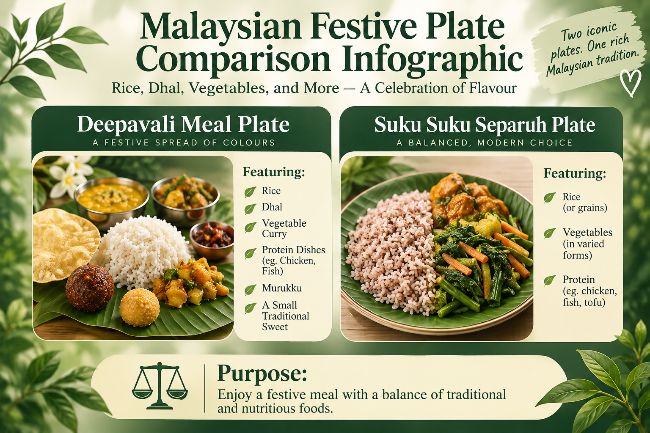
Malaysia’s Healthy Plate concept, commonly known as Suku Suku Separuh, offers another practical reference for balanced meals. It encourages approximately one-quarter of the plate for grains or other carbohydrate foods, one-quarter for protein sources and half for vegetables and fruits. Not every festive plate will follow these proportions perfectly, but the framework can guide choices whenever suitable dishes are available. It is a helpful reference rather than a rule that must be enforced at every celebration.
4. Why Food Guilt Can Make Healthy Eating More Complicated
Food guilt often begins with the belief that eating should always follow a perfect set of nutritional rules. Someone who enjoys several festive sweets might immediately feel that they have failed to maintain a healthy lifestyle. This reaction can be reinforced by social media messages that describe certain foods as sinful, damaging or requiring compensation through exercise.
The problem with this perspective is that it turns food choices into moral judgments. Eating a dessert does not make someone undisciplined, just as choosing a salad does not automatically make someone healthier. Nutritional value and personal worth are entirely separate concepts. A more constructive approach involves evaluating food choices according to nourishment, satisfaction, frequency and individual health needs rather than feelings of success or failure.
Strict restriction can sometimes increase preoccupation with foods perceived as forbidden. When people feel that particular dishes are only permitted during rare occasions, they may become more focused on eating them while the opportunity exists. This does not happen to everyone, but it helps explain why inflexible food rules can be difficult to maintain. A balanced relationship with food allows room for enjoyment without automatically triggering guilt or compensatory behaviour.
For Malaysians, this is particularly relevant because celebrations are closely associated with sharing and hospitality. Declining a dish or accepting a second helping may involve social considerations as well as appetite. Responding respectfully while remaining attentive to personal comfort can be more helpful than imposing strict rules. Healthy festive eating should support both physical nourishment and a positive relationship with food, rather than making family gatherings unnecessarily stressful.
5. The Nutrients That Still Matter During Celebration Season
Even when meals become more elaborate during celebrations, our bodies continue to require the same essential nutrients. Protein contributes to tissue maintenance and repair, carbohydrates provide energy, and dietary fats support important physiological functions. Vitamins and minerals participate in numerous processes, including energy metabolism, normal immune function and the maintenance of healthy tissues. Festive eating does not change these fundamental nutritional requirements.
Dietary fibre is especially worth remembering when meals include larger amounts of refined grains, sweets and fried snacks. Fibre-containing foods such as vegetables, fruits, lentils, beans and whole grains contribute to digestive health and help create satisfying meals. According to World Health Organization guidance, people older than ten years should generally aim for at least 400 grams of fruits and vegetables daily, with age-appropriate amounts for younger children. This target is best approached through regular eating patterns rather than treating one festive meal as a nutritional test.
Sugar intake also deserves perspective. Sweet traditional desserts are part of many celebrations, but sugars can accumulate from multiple sources, including sweetened tea, syrup-based drinks, desserts and packaged beverages. The World Health Organization recommends keeping free sugars below 10% of total daily energy intake, with further reduction potentially offering additional benefits. Choosing plain water for some drinks or sharing desserts can help manage overall intake without removing the enjoyment of festive treats.
Micronutrients such as iron and B vitamins remain important throughout the year. Iron contributes to normal oxygen transport, while several B vitamins participate in processes that help the body use energy from food. A varied diet containing appropriate protein sources, legumes, vegetables and other nutrient-rich foods helps support these requirements. Instead of focusing entirely on what to limit during celebrations, it is equally valuable to consider whether everyday meals provide sufficient nutritional diversity.
6. How to Enjoy Open Houses Without Losing Your Sense of Balance
Malaysian festive gatherings often involve visiting several homes, sometimes within the same day. Each household may offer its own selection of favourite dishes, homemade desserts and beverages. What begins as a simple social visit can become a series of full meals, especially when guests feel obliged to accept every offering. This situation calls for flexibility and practical awareness rather than rigid eating restrictions.
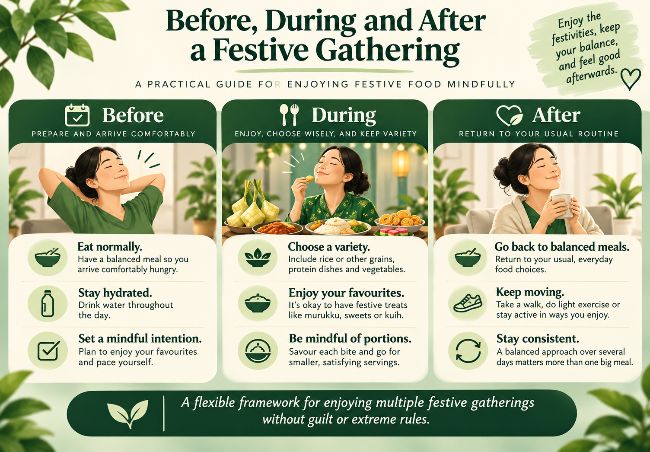
One helpful approach is to consider the day’s meals as a whole. If a substantial festive lunch is planned, breakfast can remain satisfying but relatively simple, perhaps including fruit, eggs, oats or another familiar combination. There is usually no need to skip meals deliberately in preparation for a celebration. Arriving extremely hungry may make it harder to eat comfortably or recognise fullness, particularly when many appealing dishes are available.
At the gathering itself, choosing foods according to personal preference can be more satisfying than automatically accepting everything. A person might select a favourite curry, a vegetable dish and a modest portion of rice, then enjoy a traditional sweet they particularly appreciate. Drinking water regularly is also sensible, especially during Malaysia’s warm weather. Sweet beverages can be enjoyed occasionally, but they need not accompany every serving of food.
Social communication can make these decisions easier. Simple responses such as expressing appreciation for the food while explaining that we are comfortably full can help maintain courtesy without unnecessary overeating. Hosts may also consider offering smaller initial portions and allowing guests to request more. These small adjustments respect Malaysian hospitality while recognising that everyone has different appetites, preferences and nutritional needs.
7. What Really Happens After a Day of Festive Indulgence?
After a celebration, some people notice temporary changes in how their bodies feel. They may experience fullness, thirst or a sense of heaviness after consuming larger or richer meals than usual. These sensations do not necessarily indicate lasting harm. They can reflect changes in meal size, sodium intake, hydration, digestive activity and the types of food consumed.
Body weight may also fluctuate temporarily after an unusually large meal or a series of celebrations. Sodium and carbohydrate intake can influence fluid balance, while the physical contents of the digestive tract contribute to short-term changes on the scale. Such fluctuations should not automatically be interpreted as equivalent changes in body fat. Understanding these normal variations can reduce unnecessary anxiety about occasional indulgence.
The most sensible response is usually to resume ordinary, balanced meals. There is no nutritional requirement to undertake an extreme cleanse, skip meals or exercise excessively to compensate for festive eating. Returning to familiar foods that provide vegetables, fruits, protein, whole grains and adequate fluids helps restore a comfortable eating pattern. Gentle movement, such as an enjoyable walk, may also support general wellbeing without becoming a punishment for eating.
People with medical conditions requiring specific dietary management, including diabetes, kidney disease or certain cardiovascular conditions, may need more individualised guidance during celebrations. For these individuals, food choices and portions can have more immediate clinical significance, and advice from a qualified healthcare professional remains important. For most others, the central lesson is that a thoughtful overall dietary pattern provides a more meaningful foundation for wellbeing than an attempt to make every festive meal nutritionally perfect.
Conclusion: Celebrate the Occasion, Respect Your Body and Think Beyond One Meal
Healthy eating should not require us to distance ourselves from the traditions and relationships that make life meaningful. In Malaysia, celebrations bring together generations, communities and familiar flavours that carry personal memories. The foods shared during these occasions are part of our cultural heritage, and their significance cannot be measured solely through calories, sugar content or nutritional labels.
What matters most is the relationship between occasional enjoyment and everyday nourishment. A balanced dietary pattern provides opportunities to obtain essential nutrients regularly, while sensible portion awareness helps us respond to hunger, fullness and personal health needs. Traditional desserts and rich festive dishes can fit within this broader approach when consumed with consideration for frequency, quantity and individual circumstances.
Perhaps the most valuable lesson is that nutritional wellbeing does not depend on perfection. It develops through informed choices, dietary variety and a sustainable relationship with food. When we understand this, celebrations become opportunities to enjoy meaningful experiences rather than occasions dominated by unnecessary guilt. The goal is not to eat perfectly throughout every festival, but to build a way of eating that supports health while leaving room for the people, memories and traditions we cherish.
A Gentle Reminder About Everyday Nutrition
Beyond festive occasions, maintaining a varied and nutrient-rich diet remains important. Abeille d’Or Chlorella Gold contains chlorella, a source of naturally occurring nutrients including iron, B vitamins and Chlorella Growth Factor (CGF). It may be considered as a complementary addition to an appropriate daily nutrition routine, alongside balanced meals rather than as a replacement for whole foods.