



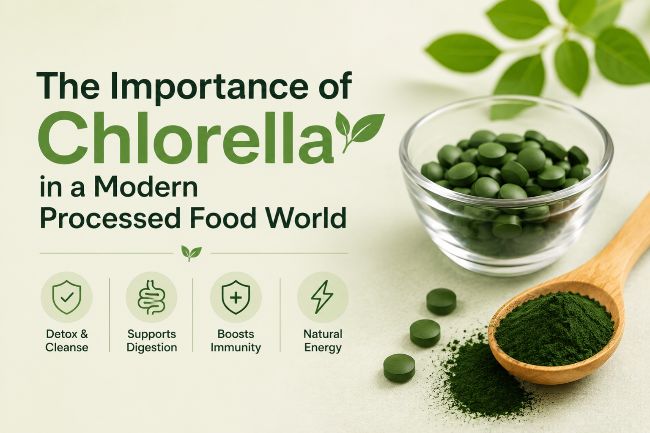
The Importance of Chlorella in a Modern Processed Food World
Table of Contents
Introduction
Are We Eating More but Nourishing Ourselves Less?
How Food Has Changed Over the Past Few Decades
Why Nutrient Density Matters More Than Ever
The Rise of Functional Foods and Superfoods
Understanding the Importance of Chlorella
Why Simplicity Often Wins in Nutrition
Looking Beyond Trends and Focusing on Foundations
Conclusion
Introduction
Walk through any supermarket today and you will find more food choices than previous generations could have imagined. Shelves are stocked with ready meals, packaged snacks, beverages, and convenience foods designed to fit modern lifestyles. On the surface, it appears that access to food has never been easier.
Yet despite this abundance, many people are becoming increasingly concerned about the quality of their nutrition. Conversations about wellness, nutrient density, and healthy eating have become more common as consumers begin to question whether convenience has come at a cost. Having more food available does not necessarily mean we are nourishing ourselves better.
This growing awareness has sparked renewed interest in whole foods, plant based nutrition, and nutrient dense ingredients. Consumers are looking beyond calorie counts and becoming more interested in what their food actually provides. They want foods that not only satisfy hunger but also contribute to long term wellbeing.
It is within this context that ingredients such as chlorella have gained attention. Understanding the importance of chlorella begins with understanding the nutritional challenges that many people face in today’s processed food environment.
Are We Eating More but Nourishing Ourselves Less?
Modern food systems have achieved something remarkable. Food is more accessible, affordable, and convenient than ever before. Busy individuals can order meals with a few taps on a smartphone, purchase ready to eat snacks at almost any location, and access a wide variety of products regardless of the season.
However, greater availability does not automatically translate into better nutrition. Many commonly consumed foods are designed for convenience, taste, and shelf stability rather than nutrient density. While these products certainly have a place in modern life, relying on them too heavily can gradually reduce the variety of nutrient rich foods in the diet.
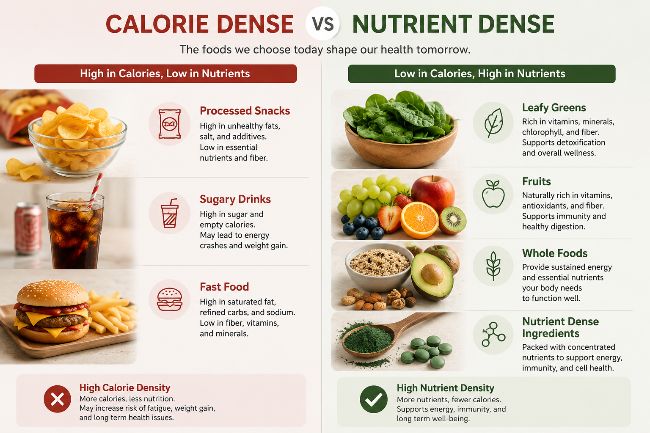
Nutrition experts often distinguish between calorie density and nutrient density. Calorie dense foods provide energy, while nutrient dense foods provide vitamins, minerals, fiber, and other beneficial compounds. In many modern diets, calorie intake remains high while nutrient intake may not always keep pace.
This imbalance is one reason why discussions about nutritional quality have become increasingly important. People are beginning to recognize that wellness is not simply about eating enough food. It is also about choosing foods that contribute meaningful nutritional value.
How Food Has Changed Over the Past Few Decades
The way people eat today looks very different from previous generations. Family meals prepared from fresh ingredients have increasingly been replaced by convenience foods, takeout meals, and eating on the go. These changes have been driven by evolving work patterns, urban lifestyles, and the increasing demands placed on modern households.
Convenience itself is not a problem. In many ways, it has made life easier and more efficient. The challenge arises when convenience consistently replaces nutrient rich food choices. Over time, dietary habits can shift toward foods that are easy to consume but may not provide the same nutritional diversity as whole foods.
At the same time, modern consumers face a unique paradox. They have access to more nutritional information than ever before, yet they are also exposed to conflicting advice and overwhelming choices. One day a food is considered healthy, the next day it is questioned. This can make it difficult for individuals to determine which habits are worth maintaining.
As a result, many people are moving away from short term diet trends and focusing instead on foundational nutrition principles that remain relevant regardless of changing wellness fads.
Why Nutrient Density Matters More Than Ever
One of the most important nutrition concepts gaining attention today is nutrient density. Rather than focusing solely on calories, nutrient density encourages people to consider the concentration of beneficial nutrients contained within a food. This approach shifts the conversation from quantity to quality.
Nutrient dense foods provide a greater amount of nutritional value relative to the calories consumed. These foods often contain naturally occurring vitamins, minerals, antioxidants, and other beneficial compounds that support overall wellbeing. Examples include leafy greens, fruits, legumes, nuts, seeds, and certain algae based foods.
This concept is particularly relevant in modern lifestyles where many people consume meals quickly and may not always have the opportunity to prepare perfectly balanced dishes. Choosing foods that offer more nutritional value can help support healthier eating habits even when schedules are demanding.
As awareness of nutrient density grows, consumers are increasingly looking for simple ways to incorporate more nutrient rich foods into their routines. This shift has contributed to the popularity of ingredients that offer concentrated nutritional support.
The Rise of Functional Foods and Superfoods
In response to growing interest in nutrition, consumers have become increasingly interested in functional foods and superfoods. These are foods that provide nutritional value beyond basic sustenance and are often associated with supporting overall wellness as part of a healthy lifestyle.
This trend reflects a broader shift in consumer behaviour. People no longer view food solely as a source of calories. Instead, they are asking questions about how foods contribute to energy, digestion, immunity, and overall wellbeing. They want foods that work harder for them and align with their long term health goals.
The popularity of functional foods has also been fueled by a growing interest in prevention. Rather than waiting for health concerns to arise, many individuals are taking a proactive approach to wellness. They are seeking foods and habits that support a strong foundation for health over time.
This movement has created greater awareness of nutrient rich ingredients that may have previously been unfamiliar to mainstream consumers.
Understanding the Importance of Chlorella
The importance of chlorella can be better understood within the context of this shift toward nutrient dense nutrition. Chlorella is a freshwater algae that has been consumed for decades and is valued for its nutritional profile. As consumers search for foods that offer concentrated nutritional value, interest in chlorella has continued to grow.
One reason for this growing attention is that chlorella aligns with modern wellness priorities. Rather than representing a quick fix or temporary trend, it fits within a broader movement toward consistent daily nutrition. Consumers are increasingly interested in simple habits that support long term wellbeing rather than dramatic solutions that are difficult to maintain.
Chlorella also reflects a growing appreciation for foods that deliver more than one benefit. Modern consumers often seek nutritional options that complement healthy lifestyles while fitting into busy schedules. This practicality has helped contribute to chlorella’s growing popularity around the world.
Its increasing visibility is not simply the result of marketing trends. It reflects a deeper shift in how people think about nutrition and the role that nutrient dense foods play in everyday life.
Why Simplicity Often Wins in Nutrition
One of the biggest lessons emerging from modern wellness research is that consistency matters more than complexity. The healthiest habits are often the ones that are simple enough to repeat every day. Complicated diets and strict wellness plans may generate excitement initially, but they are often difficult to maintain long term.
Simple nutritional habits tend to be more sustainable because they fit naturally into everyday life. Rather than requiring constant decision making, they become part of a routine. This reduces friction and makes healthy choices easier to maintain over time.
Consumers are increasingly recognizing this reality. Instead of chasing every new trend, many people are focusing on foundational habits such as eating more vegetables, staying hydrated, prioritizing sleep, and incorporating nutrient rich foods into their daily routine.
This shift toward simplicity helps explain why nutrient dense foods continue to attract attention. They align with a wellness philosophy built on consistency, practicality, and long term sustainability.

Looking Beyond Trends and Focusing on Foundations
Health trends will continue to evolve, and new wellness products will always emerge. While innovation can be valuable, long term wellbeing is rarely built on trends alone. The most effective health strategies are often rooted in fundamental principles that remain relevant regardless of changing consumer interests.
Nutrition remains one of those foundations. Choosing nutrient dense foods, maintaining balanced eating habits, and building sustainable routines continue to be among the most reliable ways to support overall wellness. These principles have stood the test of time because they address the basics of human health.
As consumers become more informed, there is a growing recognition that wellness does not have to be complicated. Small, consistent actions often produce the most meaningful results. This mindset encourages individuals to focus less on dramatic interventions and more on everyday habits that support long term health.
Understanding the importance of chlorella ultimately comes back to this idea. Its growing popularity reflects a broader movement toward nutrient density, simplicity, and foundational wellness practices that fit naturally into modern life.

Conclusion
Modern food environments offer incredible convenience, but they also present unique nutritional challenges. As consumers navigate increasingly complex food choices, many are rediscovering the value of nutrient dense foods and simple wellness habits that support long term wellbeing.
The growing interest in chlorella reflects this broader shift. Rather than chasing temporary health trends, people are focusing on practical ways to improve the quality of their nutrition and build sustainable routines that fit modern lifestyles.
Supporting a Nutrient Dense Lifestyle
For those looking to incorporate more nutrient dense foods into their daily routine, Chlorella Gold by Abeille d’Oroffers a convenient option that complements a balanced approach to wellness. Formulated with chlorella, CGF, iron, and B vitamins, it fits naturally into a lifestyle focused on consistency and long term wellbeing.